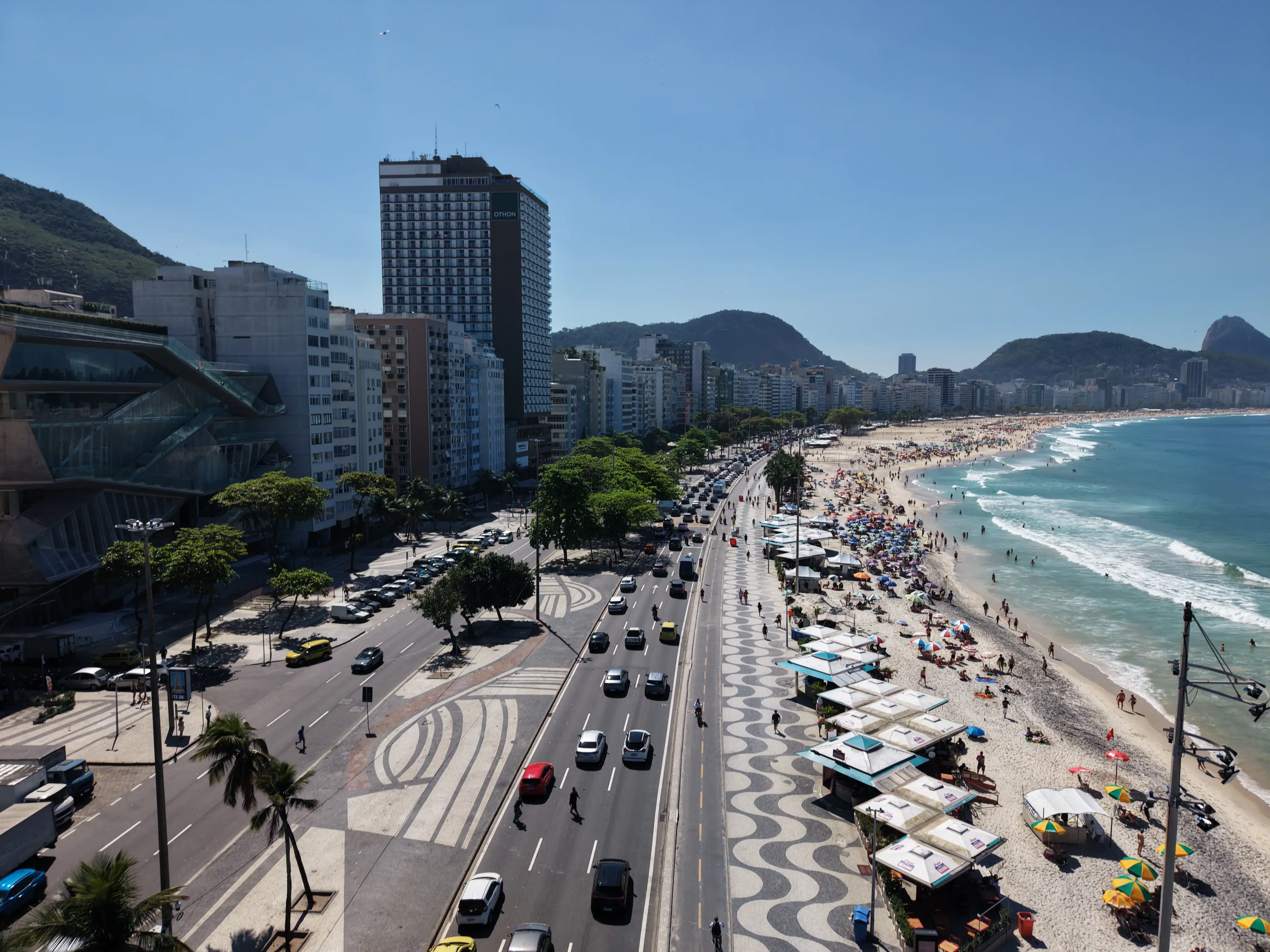
Avenida Atlântica and Copacabana Beach
Avenida Atlântica, Copacabana
Copacabana
Avenida Atlântica is Rio de Janeiro’s iconic oceanfront avenue, following approximately four kilometres of the beaches of Leme and Copacabana from Praça Almirante Júlio de Noronha to Posto 6. Conceived during the urban reforms of Mayor Pereira Passos in 1905, it grew into the principal seaside boulevard and the “first line” of Copacabana. A major reconstruction between 1969 and 1971 widened the beach and created the avenue’s present roadways and promenades. Roberto Burle Marx designed the central promenade’s black, white and red Portuguese-stone mosaics, while the beachfront pavement retained Copacabana’s famous enlarged wave pattern. The avenue forms the setting for the district’s hotels, residential towers, sporting events, concerts and New Year celebrations.
Address
Avenida Atlântica, Copacabana, Rio de Janeiro - RJ, Brazil
GPS: -22.969167, -43.180556
Open in Google MapsFilmed here
-
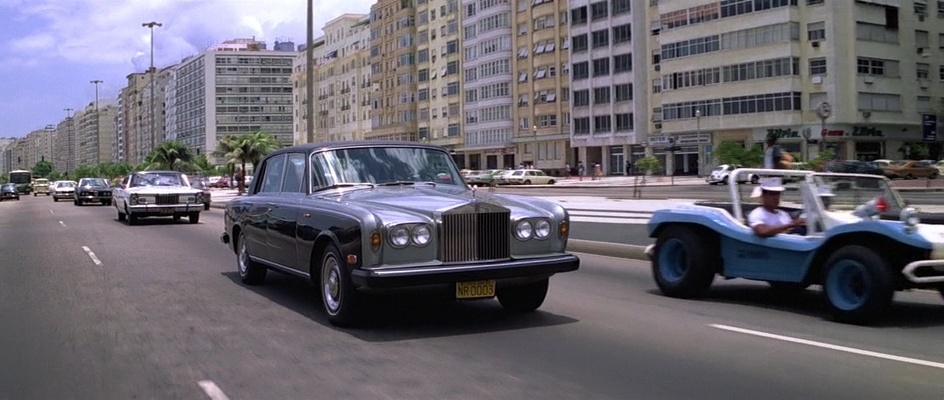
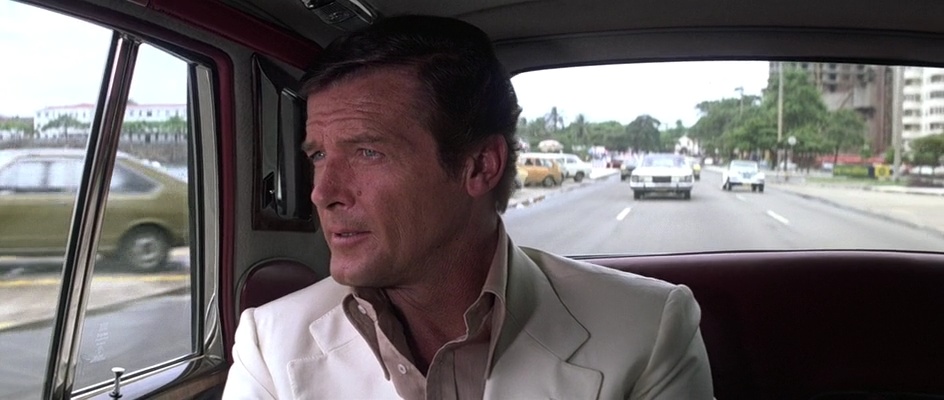
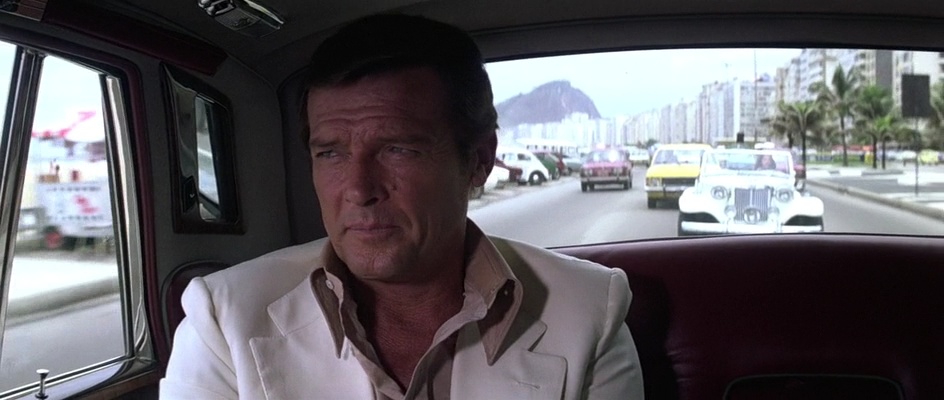
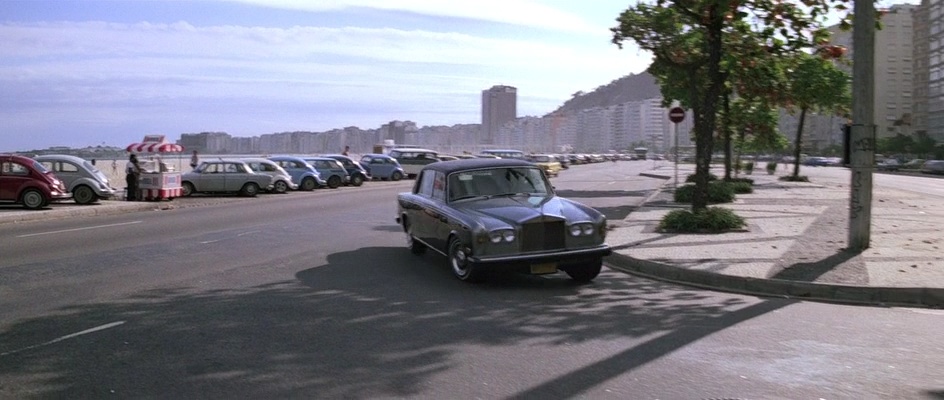
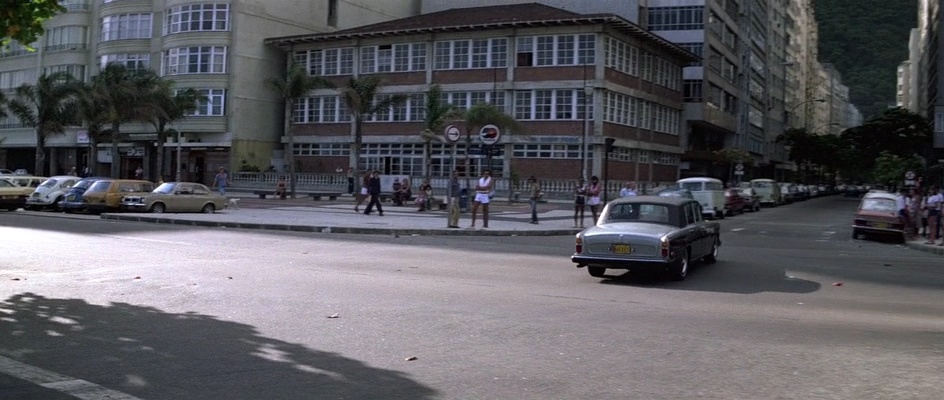 Moonraker (1979)
Film
Arrival in Rio along Avenida Atlântica
After arriving in Rio de Janeiro, James Bond is driven in a silver Rolls-Royce along Avenida Atlântica toward his hotel. The sequence uses the Copacabana waterfront, traffic and wave-patterned promenade to establish Bond’s arrival in the city.
-



 Rio (2011)
Film
Avenida Atlântica and the Copacabana waterfront
The animated city sequence follows traffic along Avenida Atlântica beside Copacabana Beach. The film recreates the avenue's seaside lanes, palms, beach kiosks and the famous black-and-white wave mosaic designed by Roberto Burle Marx, using the waterfront as an instantly recognizable image of Rio de Janeiro.